
The real risks and downsides of dental implants (and how to avoid them)
The short answer
Dental implants are one of the safest, most successful procedures in dentistry, with around 95% success — but they are not risk-free. The main risks are infection, peri-implantitis (gum disease around the implant), nerve or sinus involvement, and failure to integrate. Most are preventable with proper 3D planning, an experienced surgeon, and good aftercare.
~95%
Overall implant success rate
~2x
Higher failure risk in smokers
Preventable
Most complications, with proper planning
Safe, but not risk-free
Let's be straight: dental implants have one of the highest success rates in all of dentistry — around 95%. But any surgical procedure carries risk, and a clinic that pretends otherwise isn't being honest with you.
Understanding the real risks is how you avoid them. Almost every complication below is strongly influenced by planning quality, surgical skill, and aftercare — which is exactly why where and how you have implants done matters so much.
The real risks
These are the complications that can occur, in roughly descending order of how often they're discussed.
- Peri-implantitis — an inflammatory gum infection around the implant and the leading cause of late implant loss. It's largely driven by plaque and is preventable with good hygiene and maintenance.
- Failure to integrate — occasionally an implant doesn't fuse with the bone, usually in the first months. It can typically be removed and replaced after healing.
- Infection at the surgical site — uncommon with proper sterilisation and aftercare.
- Nerve injury — if a lower implant is placed too close to a nerve, it can cause tingling or numbness. This is why 3D CBCT planning, which maps nerve position, is essential.
- Sinus involvement — upper-back implants sit near the sinus; planning and, where needed, a sinus lift prevent problems.
Who's at higher risk
Some factors meaningfully raise the risk of complications. Smoking is the biggest — it roughly doubles failure risk by impairing healing. Uncontrolled diabetes, untreated gum disease, heavy teeth grinding, and poor oral hygiene also increase risk.
None of these are automatic disqualifiers, but they change the plan. A responsible clinic screens for them, treats gum disease first, and sets honest expectations rather than rushing you into surgery.
The downsides to weigh up
Beyond clinical risk, implants have practical downsides. They cost more upfront than bridges or dentures, the full process takes months because of healing, and it does involve minor surgery. They also aren't suitable for everyone — adequate bone and healthy gums are prerequisites (though grafting can build bone where it's lacking).
Set against that: implants are the longest-lasting option, they don't damage neighbouring teeth the way a bridge can, and they prevent the bone loss that follows missing teeth. For most patients the trade-off is firmly worth it — but it should be an informed choice.
How a good clinic minimises every risk
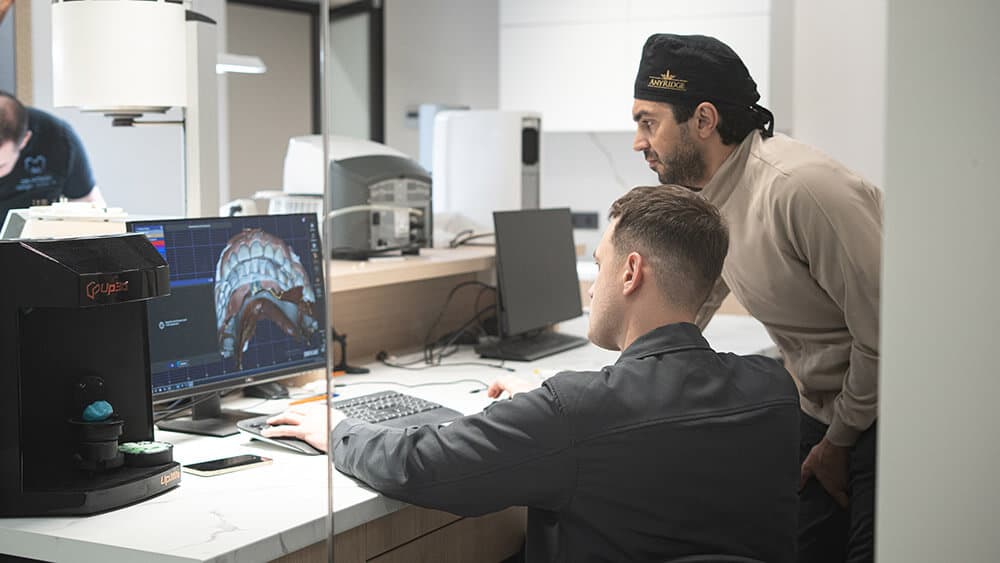
The single biggest risk-reducer is planning. CBCT 3D imaging maps bone, nerves, and sinuses; guided surgery places the implant exactly to plan; and microscope-assisted, conservative protocols protect surrounding tissue. Strict sterilisation, treating gum disease first, and structured aftercare handle the rest.
When choosing a clinic, the red flags are the opposite of these: no 3D scan, no written plan, pressure to decide immediately, and no aftercare arrangement. Our model is built specifically to remove those gaps — including UK-based coordination so your follow-up doesn't end at the clinic door.
Clinical technology we work with




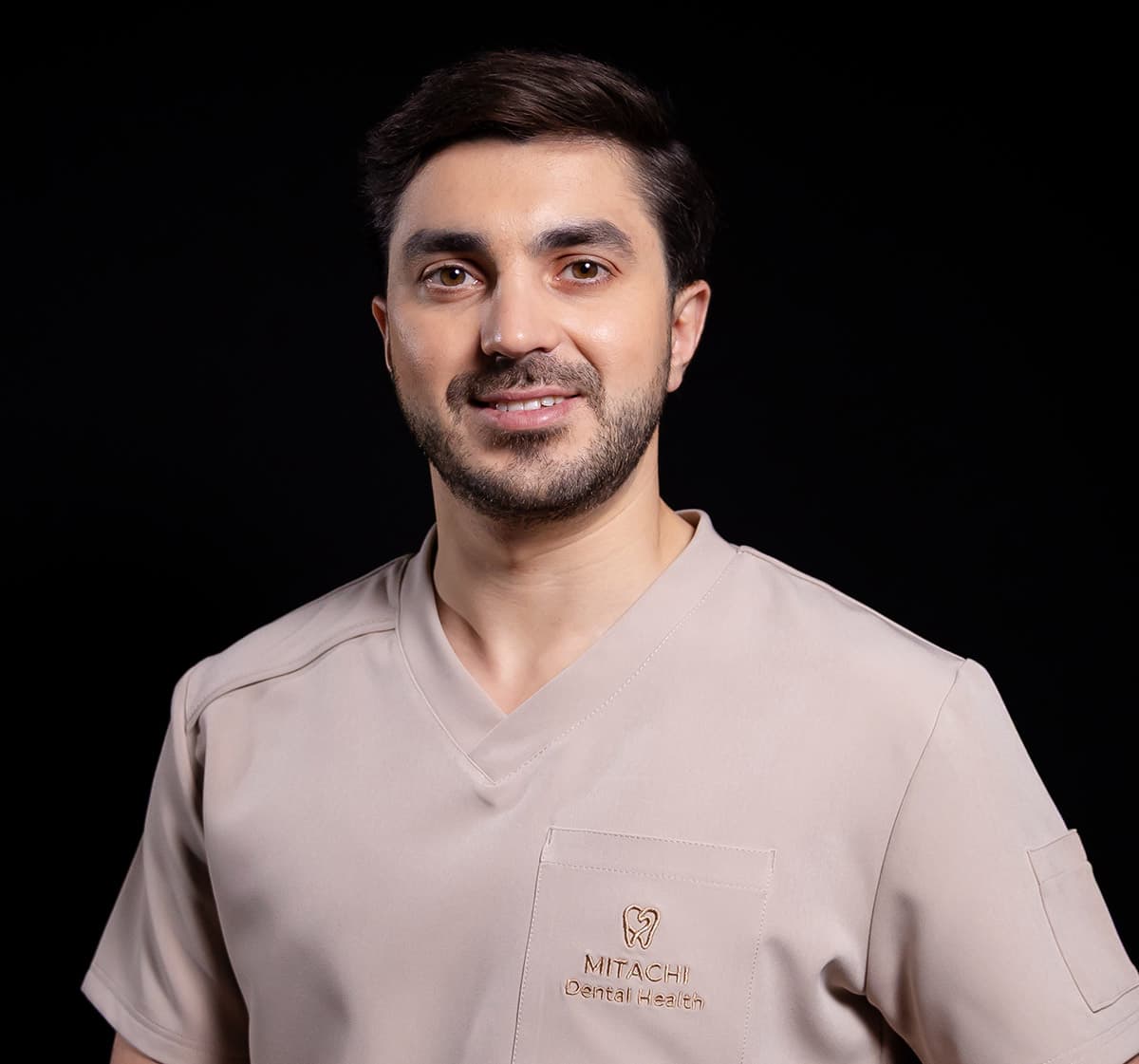
Dr. Constantin Mitachi
Founder, Oral Surgeon & Lead Clinician · DMD — Nicolae Testemițanu State University of Medicine, Moldova
Dr. Constantin Mitachi is the founder and lead clinician at Dr. Mitachi, with 20+ years of experience in implantology, oral surgery, and full-mouth rehabilitation. He leads a multidisciplinary team working with microscope-assisted, digitally planned protocols across the clinic's UK-coordinated, Moldova-delivered model.
Frequently asked questions
- Can dental implants be rejected by the body?
- True 'rejection' like an organ transplant is extremely rare because titanium is biocompatible. What can happen is failure to integrate, where the implant doesn't fuse with the bone — usually due to smoking, infection, or insufficient bone. In that case the implant is removed and can typically be replaced after healing.
- What is the failure rate of dental implants?
- Overall success is around 95%, so roughly 5% of implants encounter problems over time. The risk is significantly higher in smokers and in patients with untreated gum disease or uncontrolled diabetes. Good planning, an experienced surgeon, and proper aftercare keep the risk at the low end.
- Are dental implants safe?
- Yes — implants are one of the safest and most predictable procedures in dentistry. As with any surgery there are risks, but the large majority are preventable through 3D CBCT planning, skilled placement, treating gum disease beforehand, and good aftercare.
- What happens if a dental implant fails?
- If an implant fails to integrate or is lost to infection, it's removed and the area is allowed to heal. In most cases a new implant can be placed later, sometimes after bone grafting to rebuild support. Early detection through regular check-ups makes this far easier to manage.
Related patient cases

Want an honest answer for your own case?
Share your imaging with our UK coordination team for a free assessment and a structured treatment plan — no obligation.
Free Assessment