
How dental implants work, step by step (and how long it takes)
The short answer
A dental implant works by placing a titanium screw into the jawbone, where it fuses with the bone over 3–6 months in a process called osseointegration. An abutment and a custom crown are then attached on top. The full process usually takes 3–6 months, though fixed temporary teeth can sometimes be placed the same day as surgery.
3–6 mo
Typical time for osseointegration
3 parts
Implant, abutment, and crown
Same day
When temporary fixed teeth are possible
What a dental implant actually is
A dental implant replaces a missing tooth in three parts. The implant is a small titanium screw that acts as an artificial tooth root. The abutment is a connector that sits on top of it. The crown is the custom-made ceramic tooth that you see and chew with.
Titanium is used because it's biocompatible — bone grows directly onto its surface and locks it in place. This biological bond is what makes an implant far more stable than a denture or bridge.
The procedure, step by step
Here is what a typical implant journey looks like from start to finish.
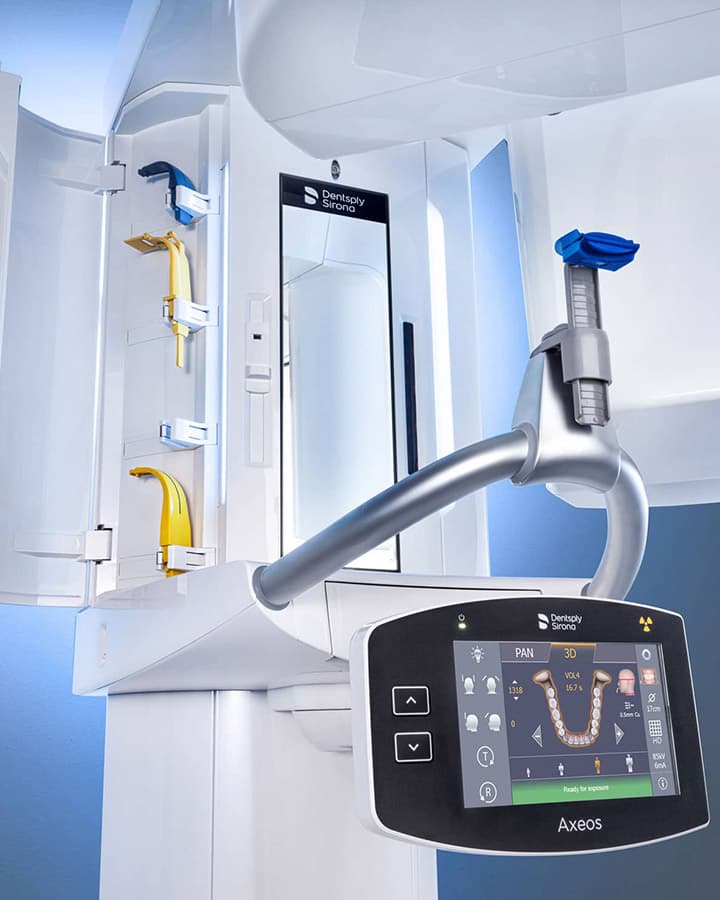
- 1. Consultation and CBCT scan — a 3D scan maps your bone volume and the position of nerves and sinuses, so the implant can be planned precisely before any surgery.
- 2. Implant placement — under local anaesthetic, the titanium implant is positioned in the jawbone. Guided surgery uses the digital plan to place it accurately.
- 3. Osseointegration — over 3–6 months, bone fuses to the implant. This healing period is the foundation of long-term stability.
- 4. Abutment and impression — once integrated, the abutment is fitted and a digital impression is taken for the crown.
- 5. Final crown — a custom crown is crafted (in our case, in an in-house lab) and fixed in place, completing the tooth.
How long does the whole process take?
For a standard single implant, expect 3–6 months from placement to final crown, most of which is healing time, not chair time. Cases needing bone grafting take longer; straightforward cases can be quicker.
In selected full-arch cases, a 'teeth in a day' or same-day protocol places implants and a fixed temporary bridge in one visit, so you leave with fixed teeth. The final, permanent prosthetic still follows after the bone heals — but you're never without teeth in between.
Is it painful — and how does the Moldova model fit in?
Implant surgery is carried out under local anaesthesia, and most patients report less discomfort than they expected — closer to a tooth extraction than major surgery. Mild soreness for a few days afterwards is normal and managed with standard pain relief.
Because much of the timeline is passive healing, the active treatment can be concentrated into short visits. In our UK-coordinated, Moldova-delivered model, planning and aftercare are handled from the UK while the surgical and prosthetic stages are scheduled into focused trips — reducing total days abroad without rushing the clinical work.
Clinical technology we work with





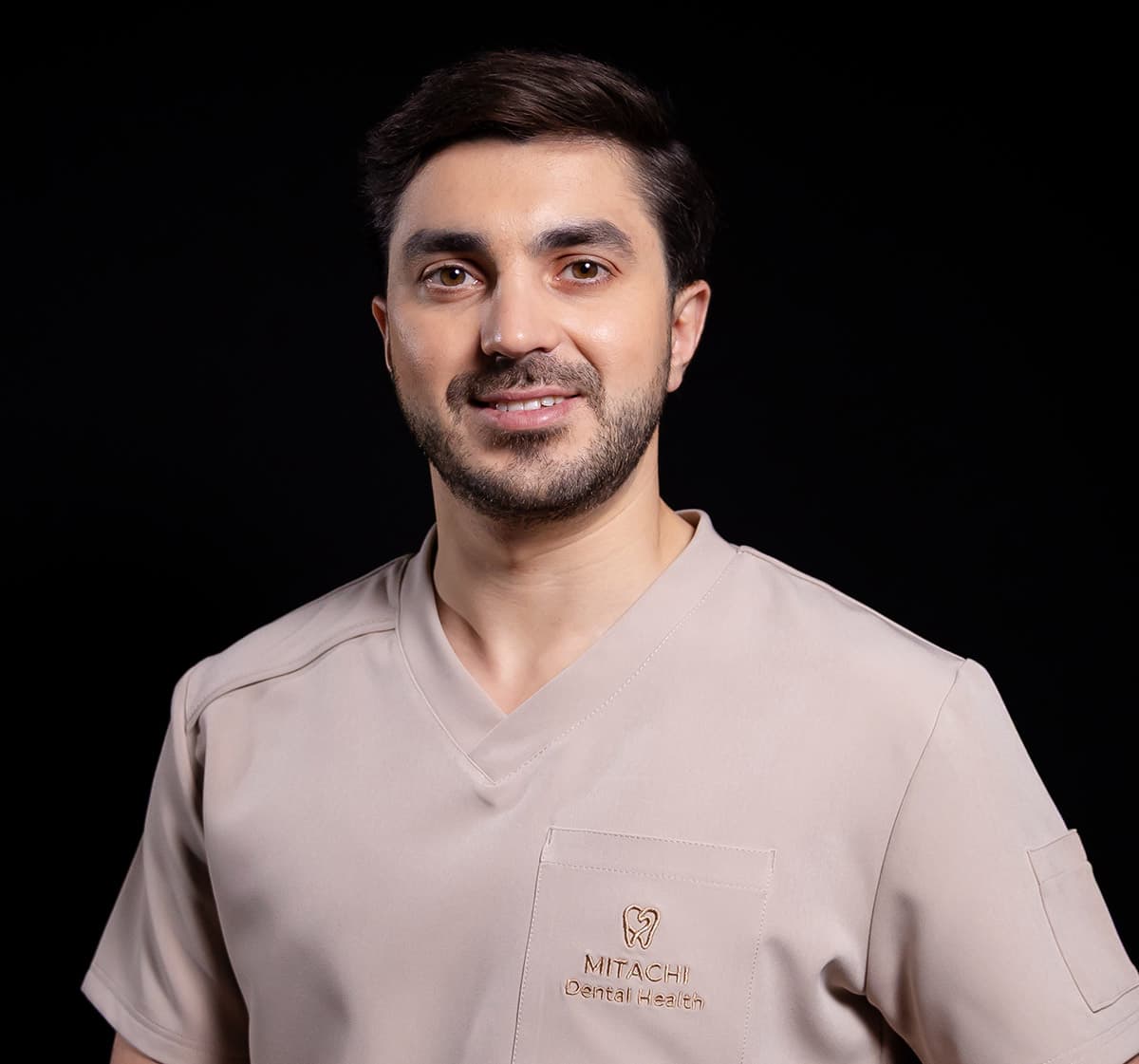
Dr. Constantin Mitachi
Founder, Oral Surgeon & Lead Clinician · DMD — Nicolae Testemițanu State University of Medicine, Moldova
Dr. Constantin Mitachi is the founder and lead clinician at Dr. Mitachi, with 20+ years of experience in implantology, oral surgery, and full-mouth rehabilitation. He leads a multidisciplinary team working with microscope-assisted, digitally planned protocols across the clinic's UK-coordinated, Moldova-delivered model.
Frequently asked questions
- How long does the whole dental implant process take?
- For a single implant, typically 3–6 months from placement to final crown — most of that is healing time while the implant fuses with the bone. Cases requiring bone grafting take longer. In selected full-arch cases, fixed temporary teeth can be placed the same day as surgery.
- Is getting a dental implant painful?
- The procedure is done under local anaesthetic, so you shouldn't feel pain during surgery. Most patients describe the recovery as comparable to a tooth extraction, with mild soreness for a few days that's managed with standard pain relief.
- Can I really get teeth in a day?
- In suitable full-arch cases, yes — implants and a fixed temporary bridge can be placed in a single visit, so you leave with fixed teeth. The final permanent prosthetic is fitted after the bone heals. Whether you're a candidate depends on your bone quality, confirmed by a CBCT scan.
- How many visits does a dental implant need?
- A standard implant usually involves a planning visit, the placement, and the fitting of the final crown after healing. The exact number depends on your case and whether stages can be combined — something the UK coordination team maps out in your treatment plan.
Related patient cases


Want an honest answer for your own case?
Share your imaging with our UK coordination team for a free assessment and a structured treatment plan — no obligation.
Free Assessment