Is it safe to get dental implants abroad? A UK patient's guide
The short answer
Getting dental implants abroad can be safe and can save UK patients 50–70% — but only if it's done right. The biggest risk isn't the surgery; it's the aftercare gap when you fly home. The safe approach is a clinic with verified qualifications, 3D planning, a written treatment plan, and proper follow-up — ideally with coordination based in the UK.
50–70%
Typical saving vs UK private implant prices
Aftercare
The single biggest risk to manage
UK-managed
How follow-up continuity is protected
The honest answer
Yes, it can be safe — and tens of thousands of UK patients travel for dental care every year. But 'abroad' isn't a guarantee of either quality or savings. The outcome depends almost entirely on the specific clinic, the planning, and what happens after you return home.
The horror stories you've seen — often labelled 'Turkey teeth' — usually aren't about geography. They're about rushed, over-aggressive treatment with no follow-up. Avoiding that is a matter of how you choose, not whether you travel.
Why patients go abroad: the cost gap
The driver is price. Private implant treatment in the UK is expensive — a single implant commonly runs into thousands of pounds, and full-arch work can reach five figures per arch. Equivalent treatment in parts of Europe can cost 50–70% less.
Crucially, lower cost in a country like Moldova reflects lower overheads and labour costs — not necessarily lower clinical standards. The same Swiss and German implant systems, CBCT scanners, and microscopes used in the UK are used in well-equipped European clinics.
The real risks of treatment abroad
Being clear-eyed about the risks is how you manage them. The genuine concerns are less about surgery and more about continuity.
- The aftercare gap — if a problem arises weeks later, who do you see? This is the number-one issue with unmanaged dental tourism.
- Rushed treatment — squeezing complex work into too few days to fit a holiday can compromise the result.
- Over-treatment — being sold aggressive work (e.g. crowning healthy teeth) instead of conservative options.
- Continuity of records — your UK dentist may not receive your treatment details or imaging.
- Variable standards — clinics range widely; the burden is on you to verify, not assume.
How to do it safely: a checklist
Every risk above is manageable if you choose well. Before booking, confirm the following:
- Verified clinician qualifications and registration with the national health authority.
- A CBCT 3D scan and a written treatment plan before any surgery — not a price quoted from a photo.
- Modern equipment and recognised implant brands (e.g. Straumann), not unnamed systems.
- A clear, conservative plan that preserves healthy teeth where possible.
- A defined aftercare and follow-up arrangement for once you're home.
- Realistic timelines that don't compress major surgery into a weekend.
The UK-managed model: closing the aftercare gap
The reason the aftercare gap exists is that traditional dental tourism ends when you board the plane. Our model is built to remove exactly that gap: consultation, treatment planning, and follow-up are coordinated from a UK office, while the clinical treatment is delivered at the Moldova clinical centre.
In practice that means a UK point of contact, a structured plan agreed before you travel, concentrated treatment windows to reduce days abroad, and remote follow-up once you're home. It keeps the cost advantage of treatment in Europe while restoring the continuity that makes care safe. You can start with a free remote assessment before committing to anything.
Clinical technology we work with




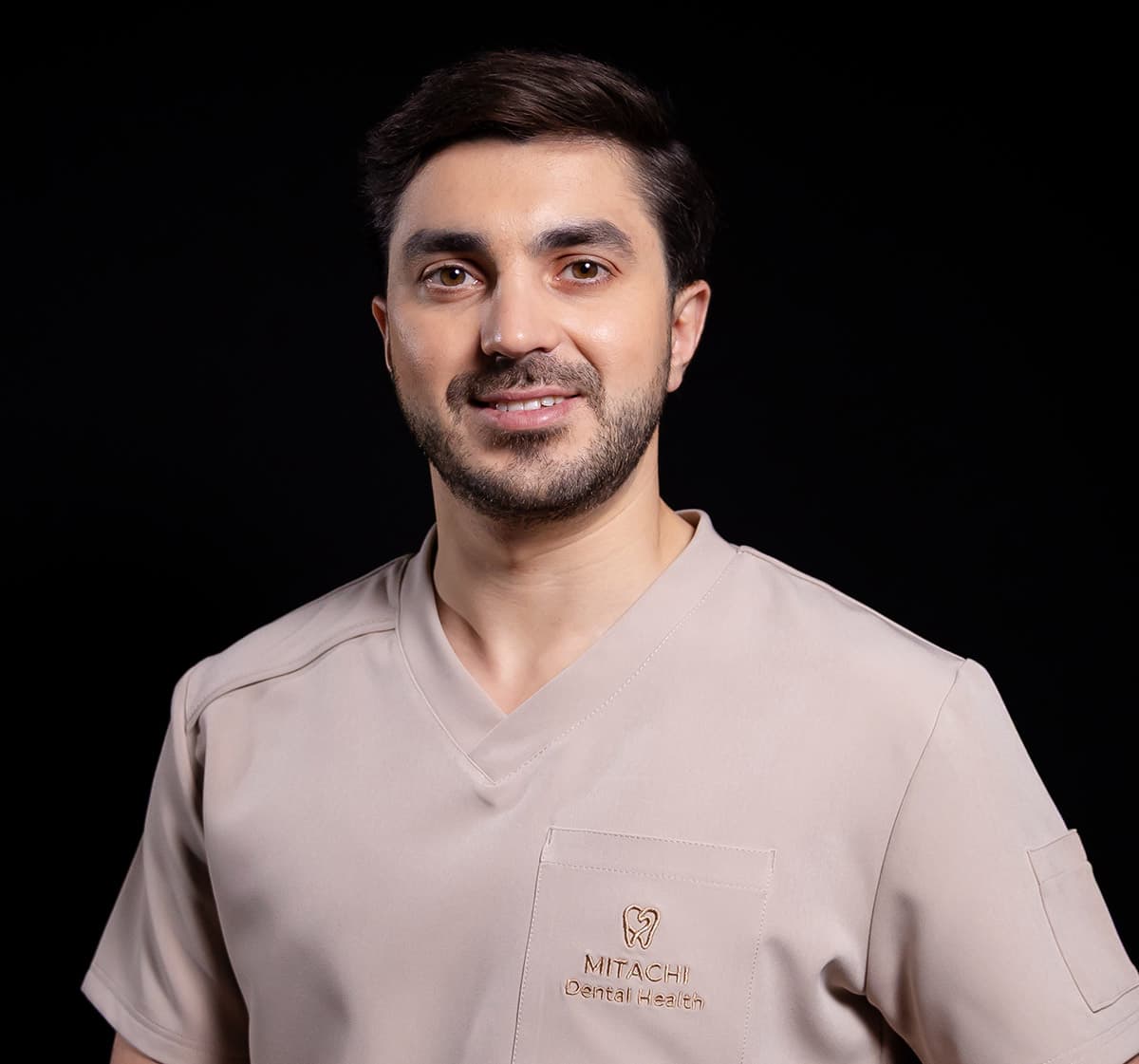
Dr. Constantin Mitachi
Founder, Oral Surgeon & Lead Clinician · DMD — Nicolae Testemițanu State University of Medicine, Moldova
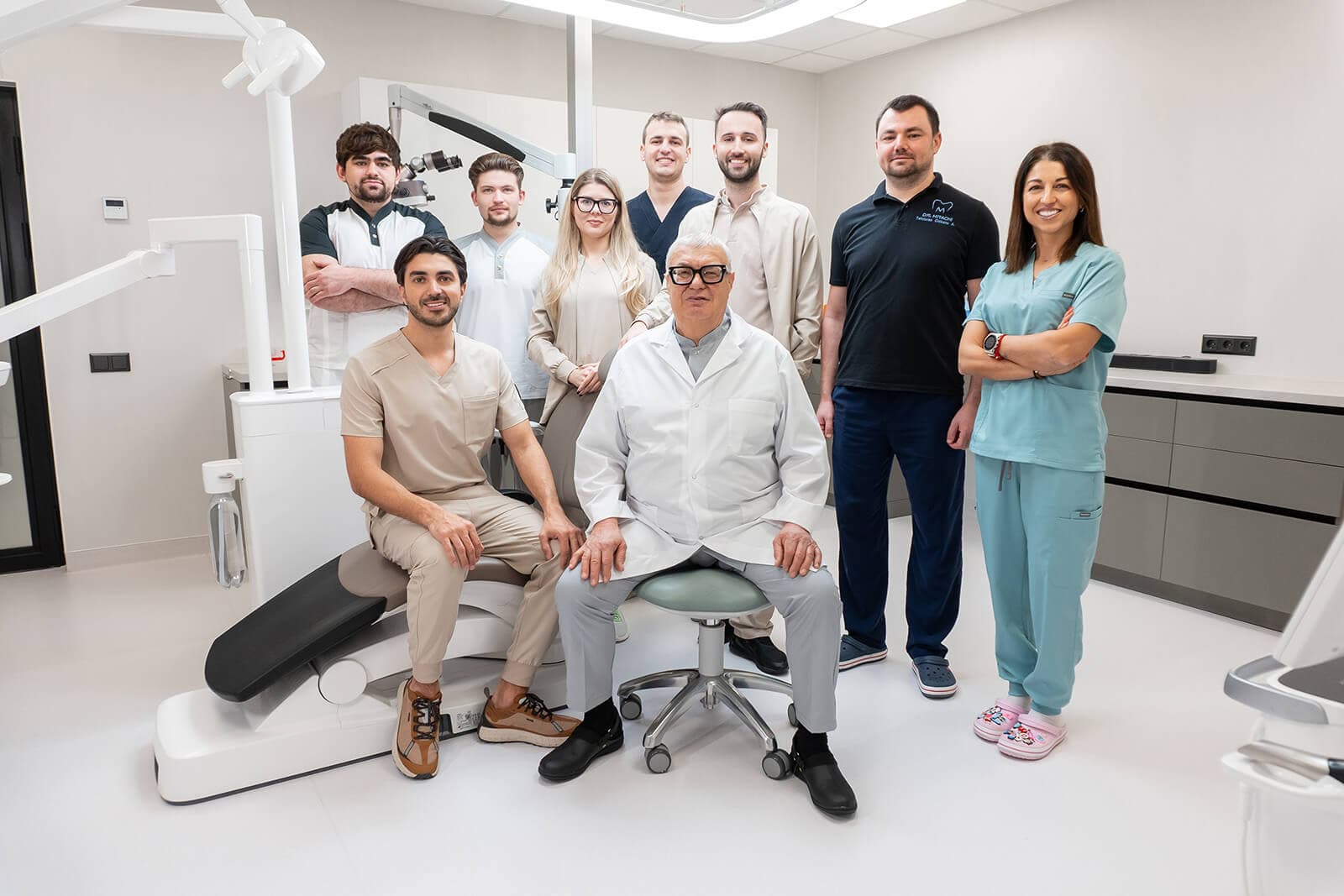
Dr. Constantin Mitachi is the founder and lead clinician at Dr. Mitachi, with 20+ years of experience in implantology, oral surgery, and full-mouth rehabilitation. He leads a multidisciplinary team working with microscope-assisted, digitally planned protocols across the clinic's UK-coordinated, Moldova-delivered model.
Frequently asked questions
- Is it safe to get dental implants abroad?
- It can be, provided you choose carefully. The surgery itself is well-established; the main risk is the aftercare gap once you return home. Choosing a clinic with verified qualifications, 3D planning, a written plan, recognised implant brands, and a defined follow-up arrangement — ideally coordinated in the UK — makes treatment abroad safe.
- What happens if something goes wrong after I get home?
- With unmanaged dental tourism this is the weak point. With a UK-coordinated model, follow-up is arranged from a UK office with remote check-ins, and a return visit is scheduled if clinically needed. Always confirm the aftercare arrangement in writing before you book.
- How much can I save getting implants in Europe?
- UK patients typically save 50–70% compared with UK private prices for equivalent treatment. The saving reflects lower overheads and labour costs in countries like Moldova — not lower-grade materials, since well-equipped clinics use the same recognised implant systems and imaging technology.
- Is Moldova a good place for dental implants?
- Well-equipped Moldovan clinics use the same Swiss and German implant systems, CBCT imaging, and microscope-assisted protocols found in UK practices, at significantly lower cost. As anywhere, quality varies by clinic — verify qualifications, technology, and aftercare. A UK-coordinated model adds the follow-up continuity that makes it a safe option.
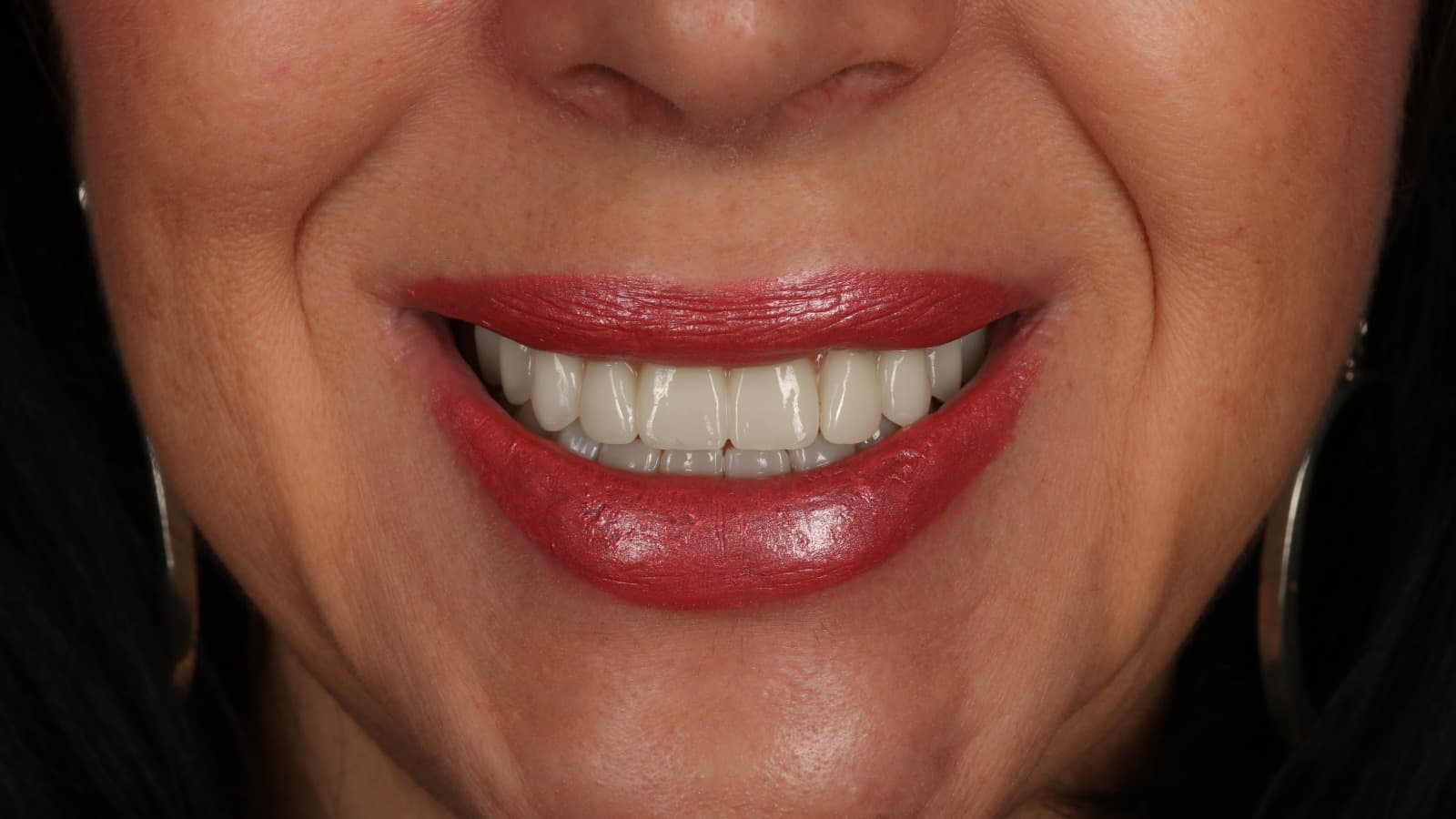
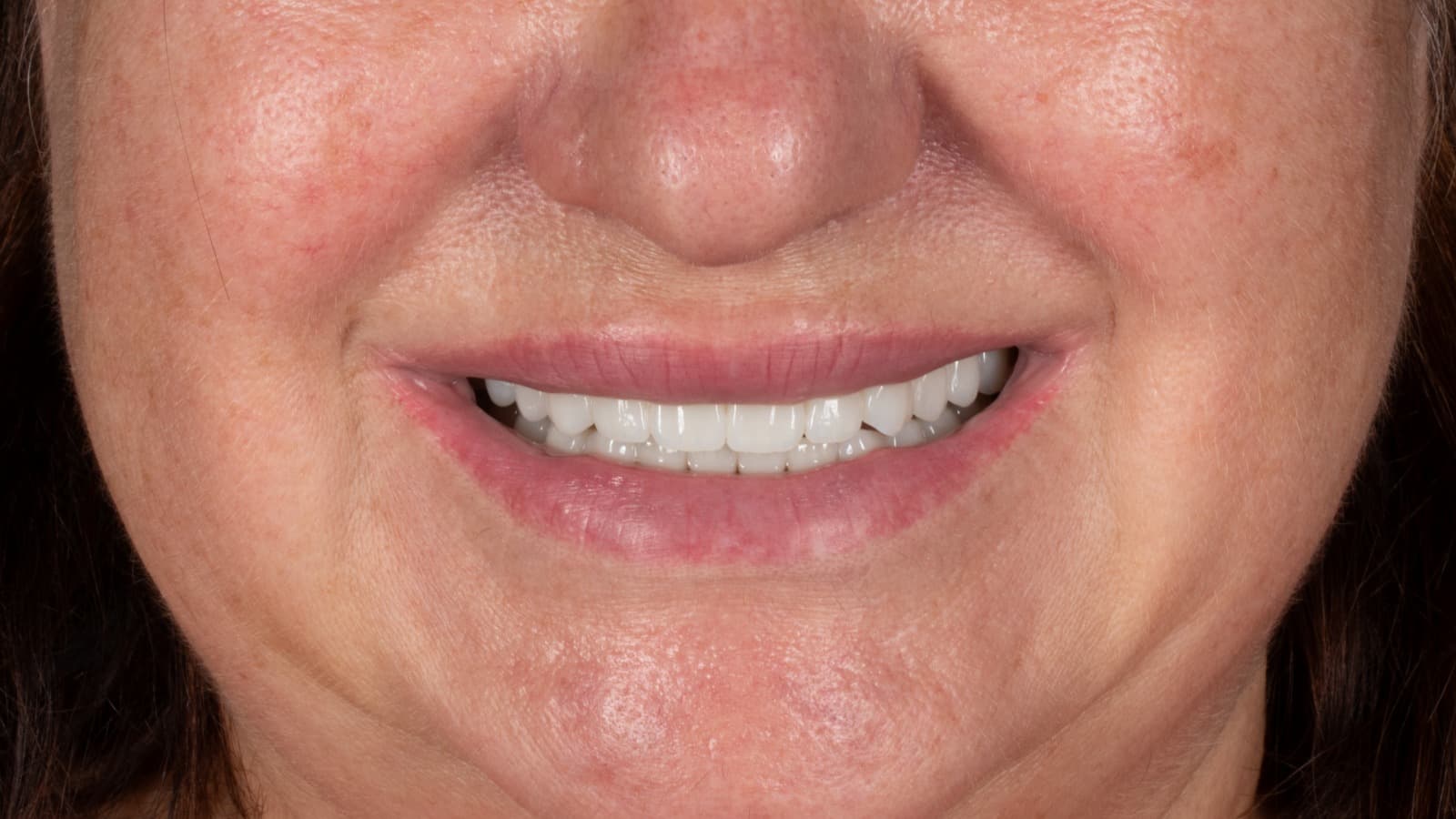
Related patient cases
Want an honest answer for your own case?
Share your imaging with our UK coordination team for a free assessment and a structured treatment plan — no obligation.
Free Assessment